I don’t see it getting better. I don’t see those around me aging gracefully. They’re trying, yes, but always with an exhale of disgust. Everyone is exhausted and hiding behind their fear of the future. I’m told to live in the moment, as if the present were the mint chapstick I used to beg my mother for at the corner store — and not just another waiting room. Maybe it’s only a distraction, this moment, a way to delay waking up as miserable as everyone else. No one seems happy. Only perpetual crawling. Trying.
Once, my mother — after confessing how tired she was of living — said to me, “Sometimes I think to God, was I a joke? I was just spare parts.”
All these voices tell me to look ahead, to release what’s behind me. To stop living in the past. But I keep my camera close — my transporter, my clock-fucker, the only machine I’ll never truly understand. Through it, I’ve learned to feel time clearly, and that kind of clarity comes at a cost. All I do is live in the past.
There’s a suffocation between holding on and letting go, between the hands of what has been and what will never arrive. Grief and urgency blur together. It is tender, and it is restless. The future feels dim despite all my trying to keep it bright, so I hold on to what glows behind me. I want to meditate on what once made me want more — to honor myself, to love who I was.
I no longer have the strength to help others look forward, but I can offer a reminder: to close your eyes and return to those small, glittering moments when you were growing. For me — the hum of a lawn mower on a summer morning, crickets at night while holding my secret boyfriend, the rush of being afraid of the dark.
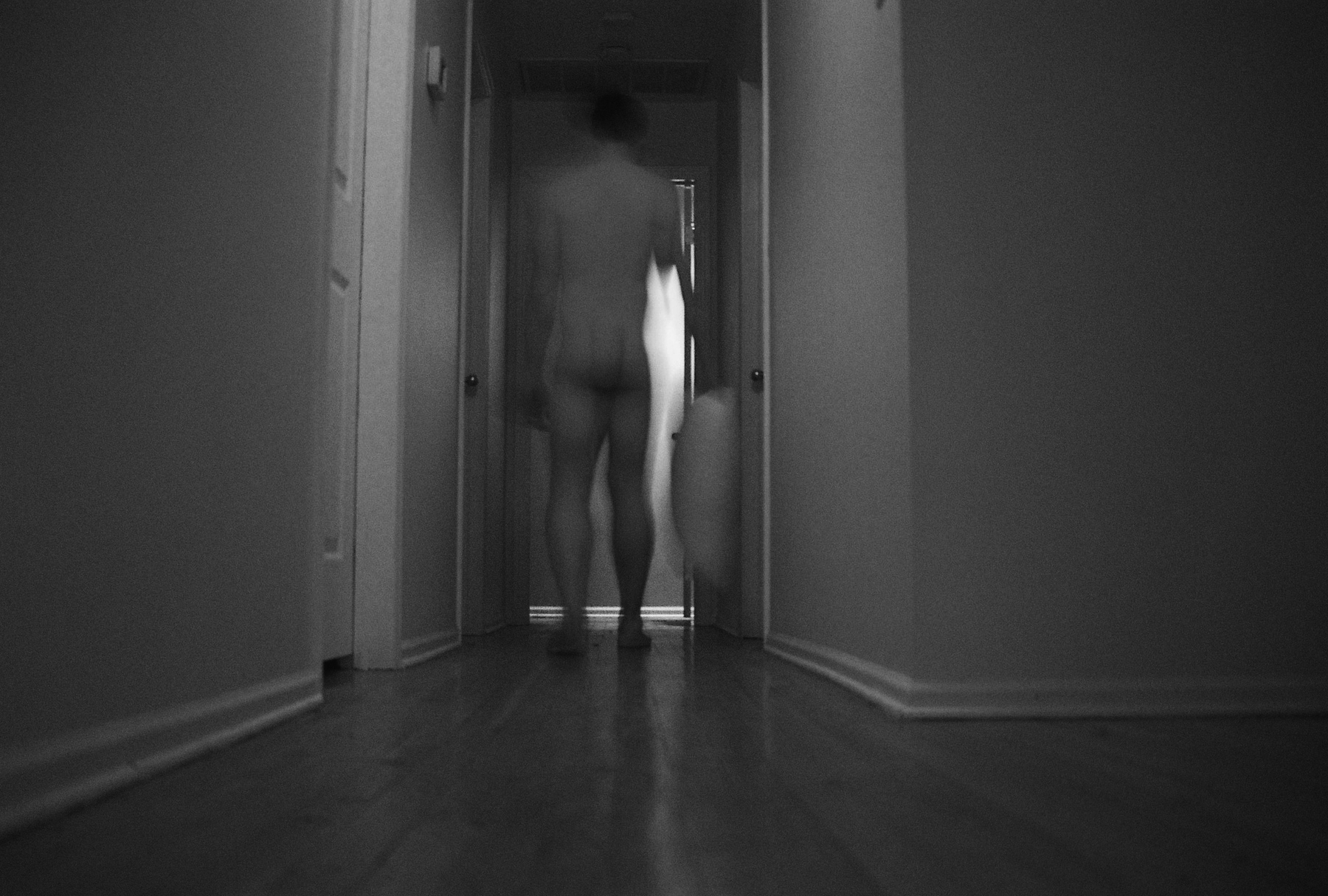
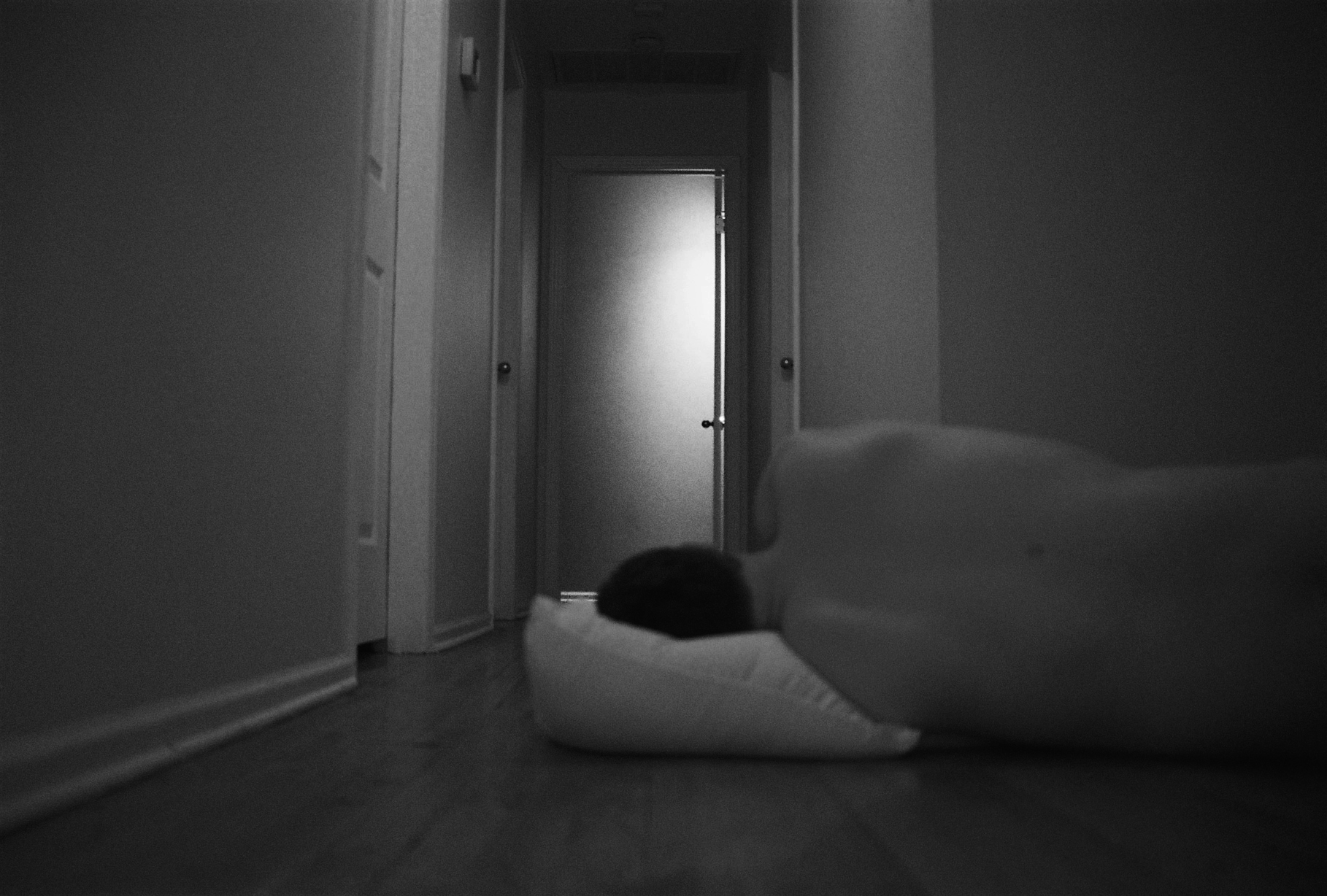
God, what I’d give to fear the dark again — to feel my heart race by only flicking a switch. Now I’d have to kiss a speeding bus to feel that same spark. Life wasn’t simple because worries were lighter; it was simple because small moments were enough. Petrichor. Warm asphalt. Sneaking down the hall at night. The hum of a broken pool filter in summer, drifting your overgrown fingernails through the algae. Bats fluttering through July’s dark.
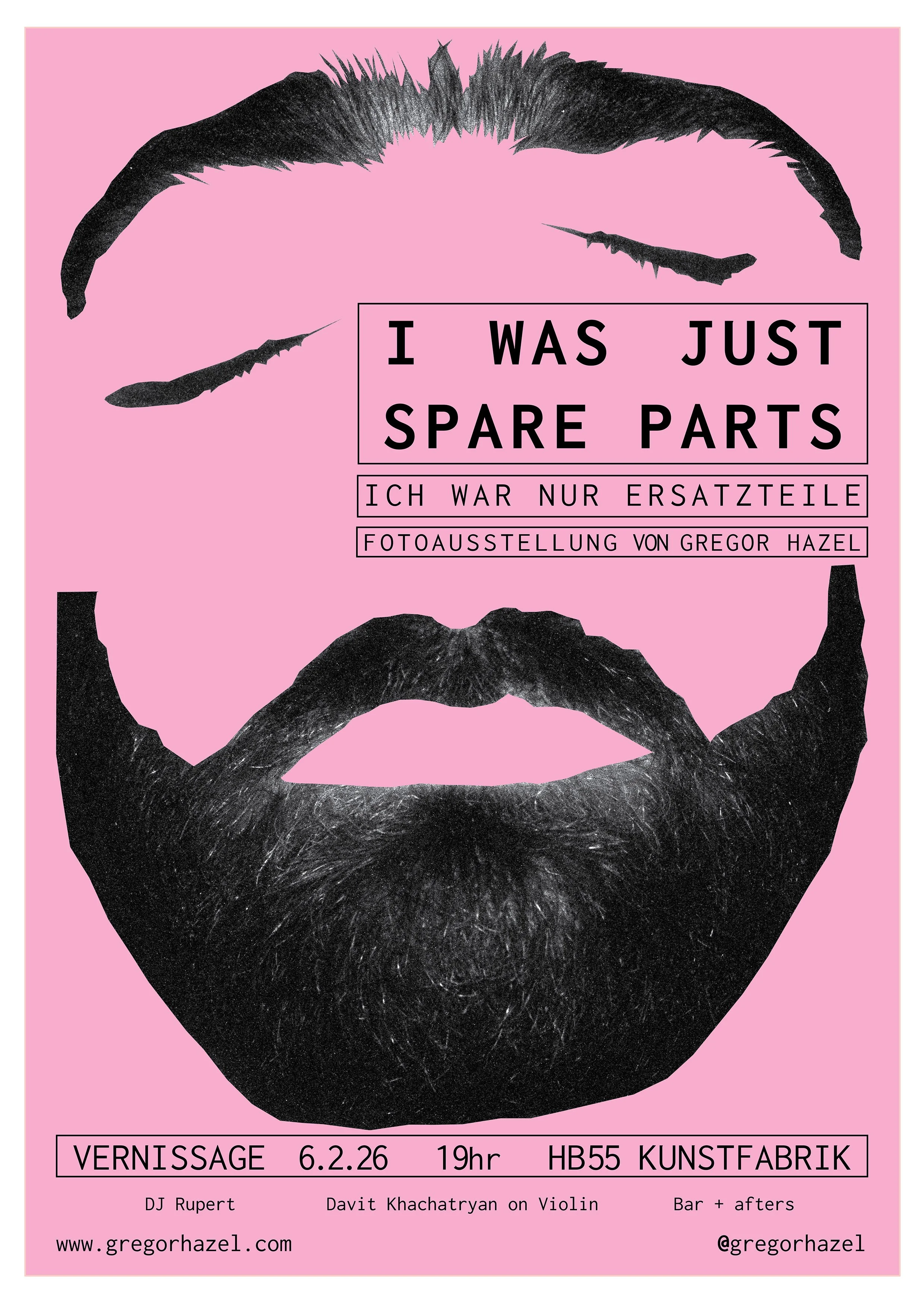
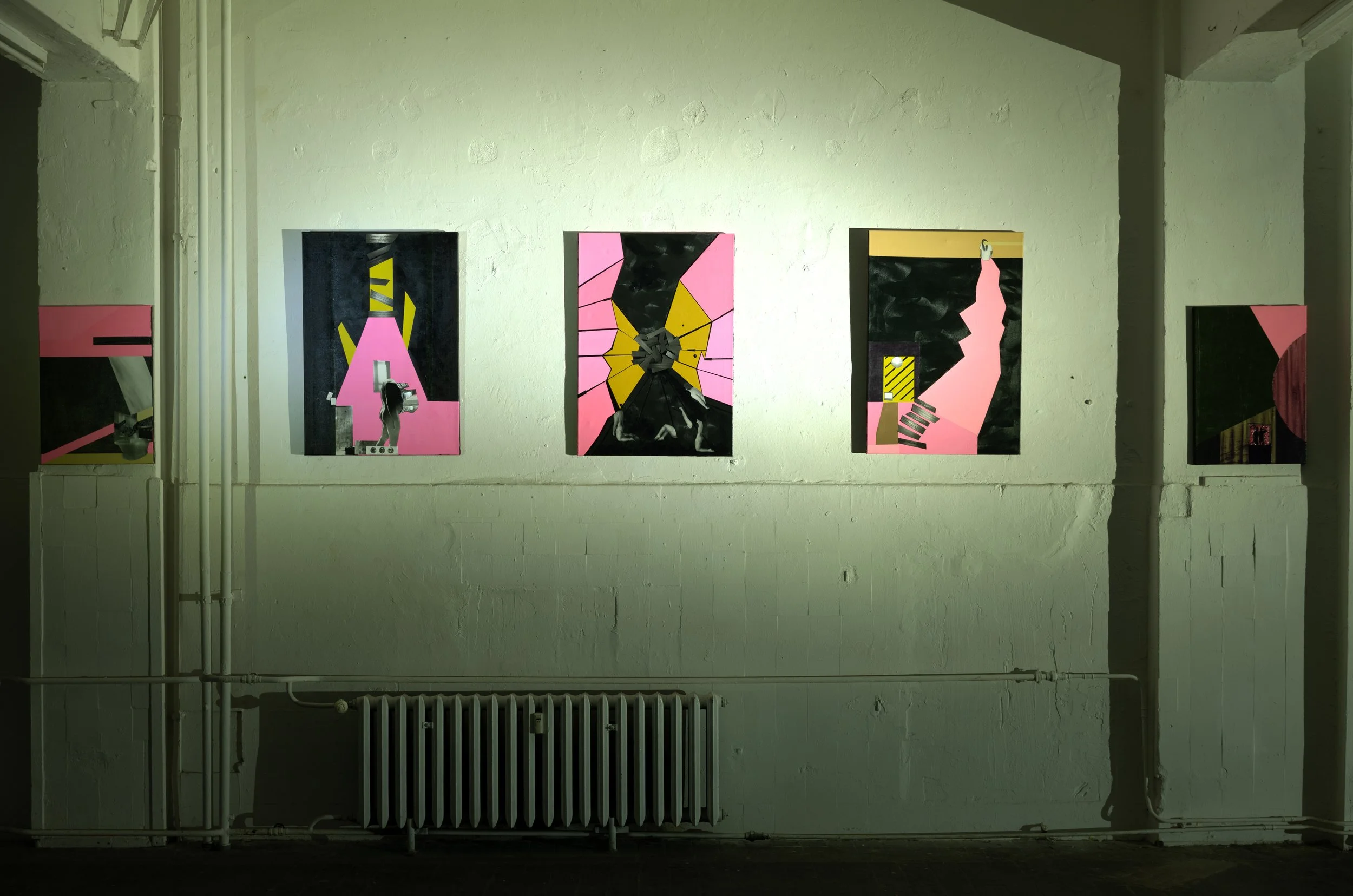
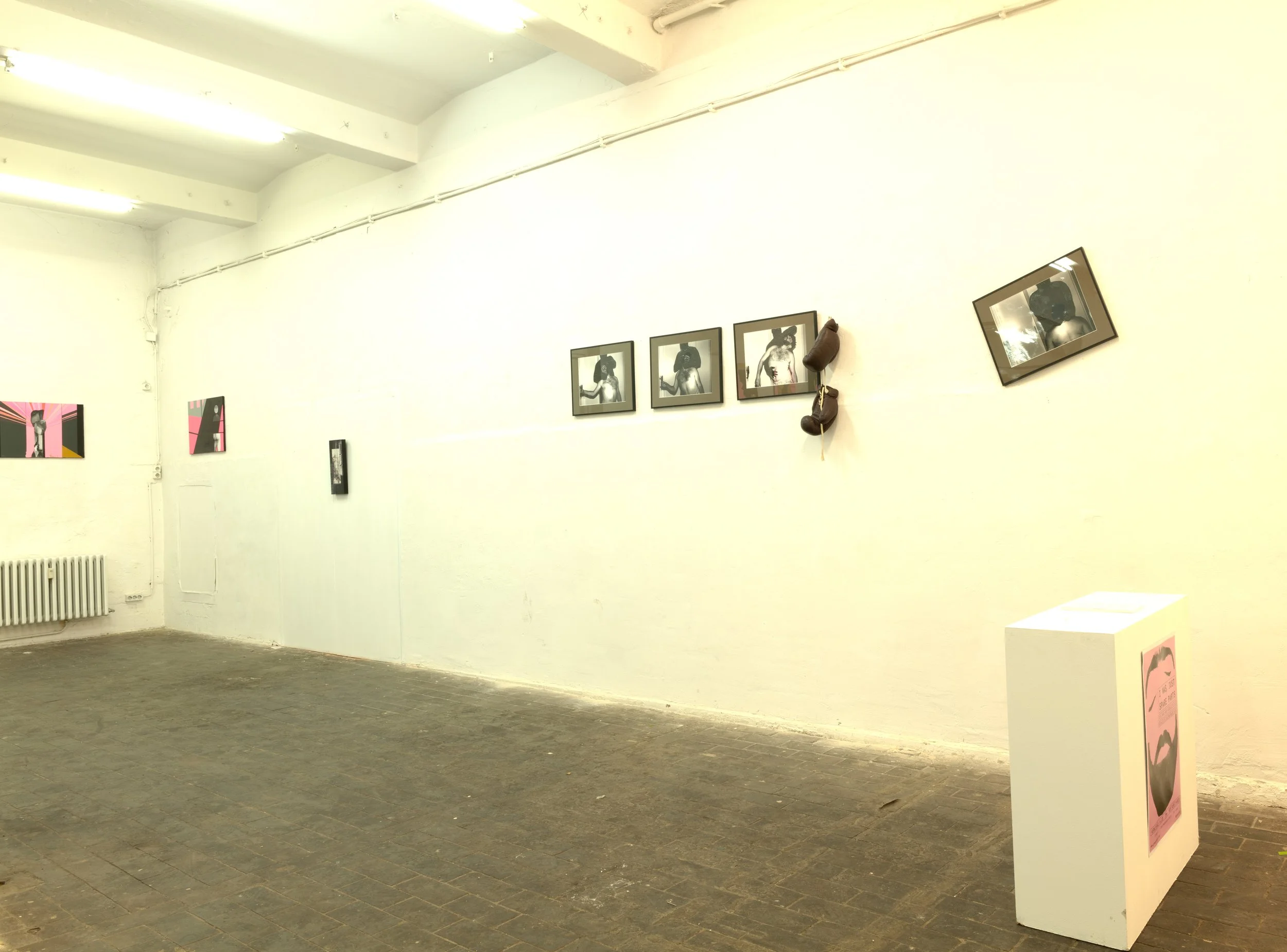
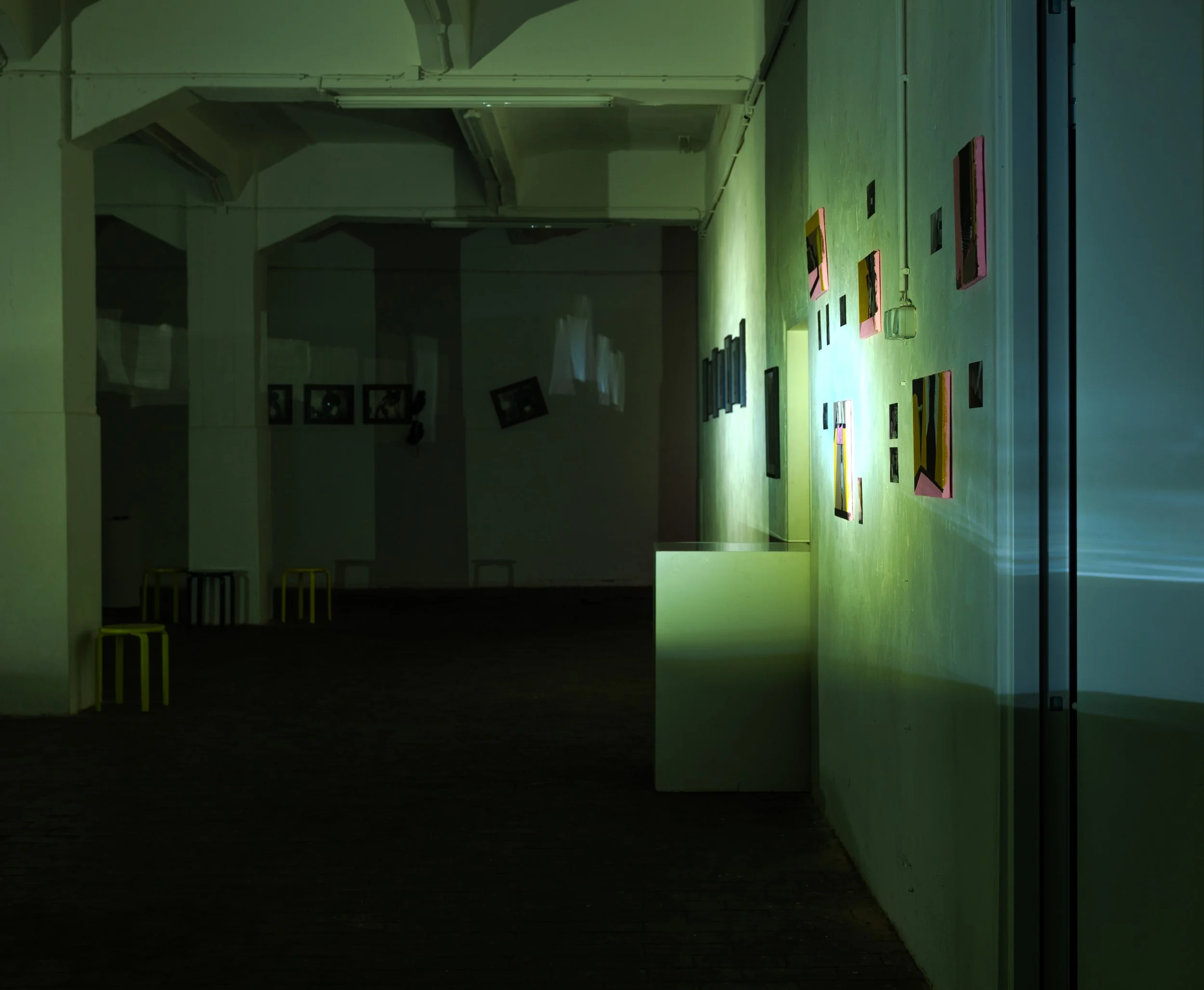
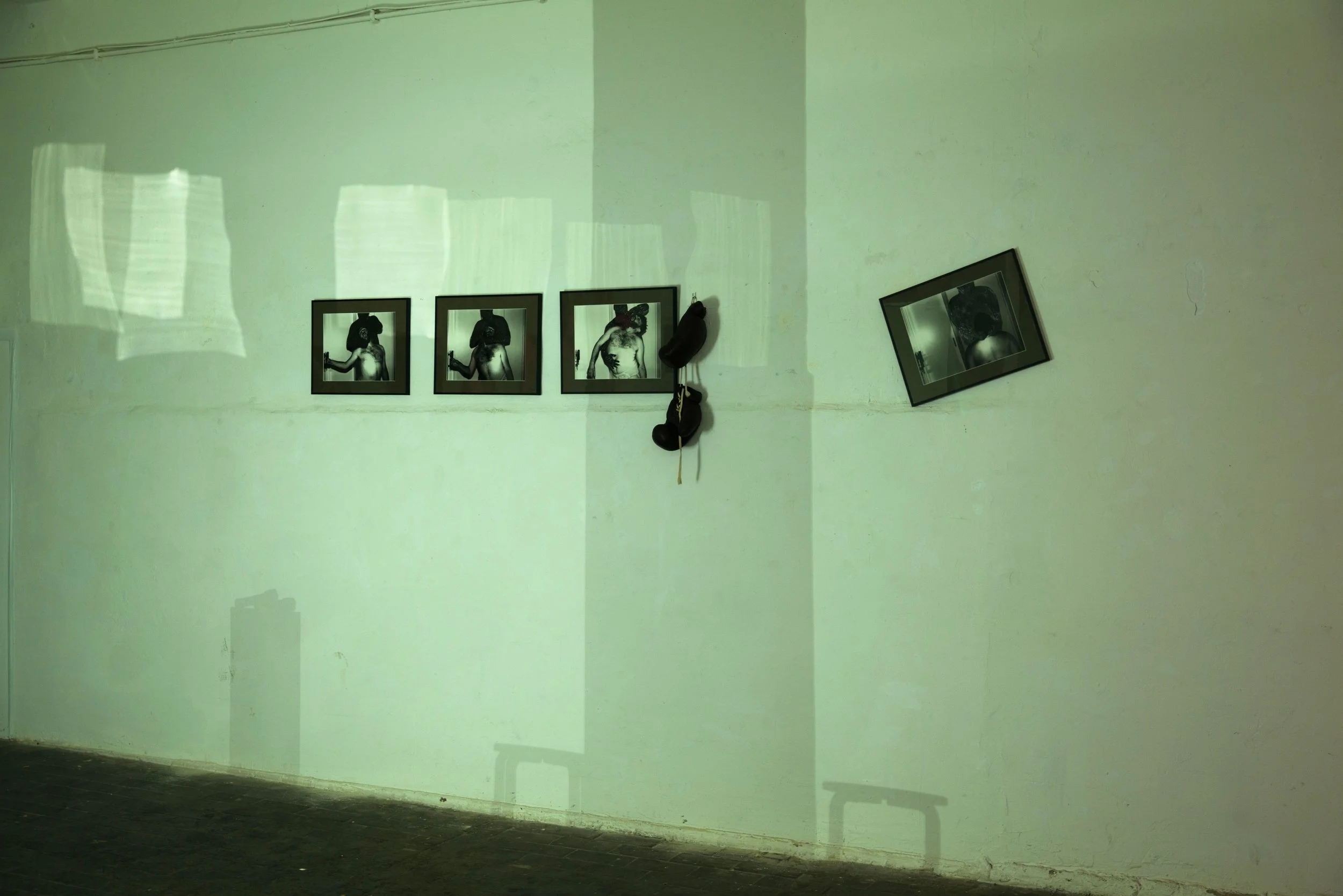
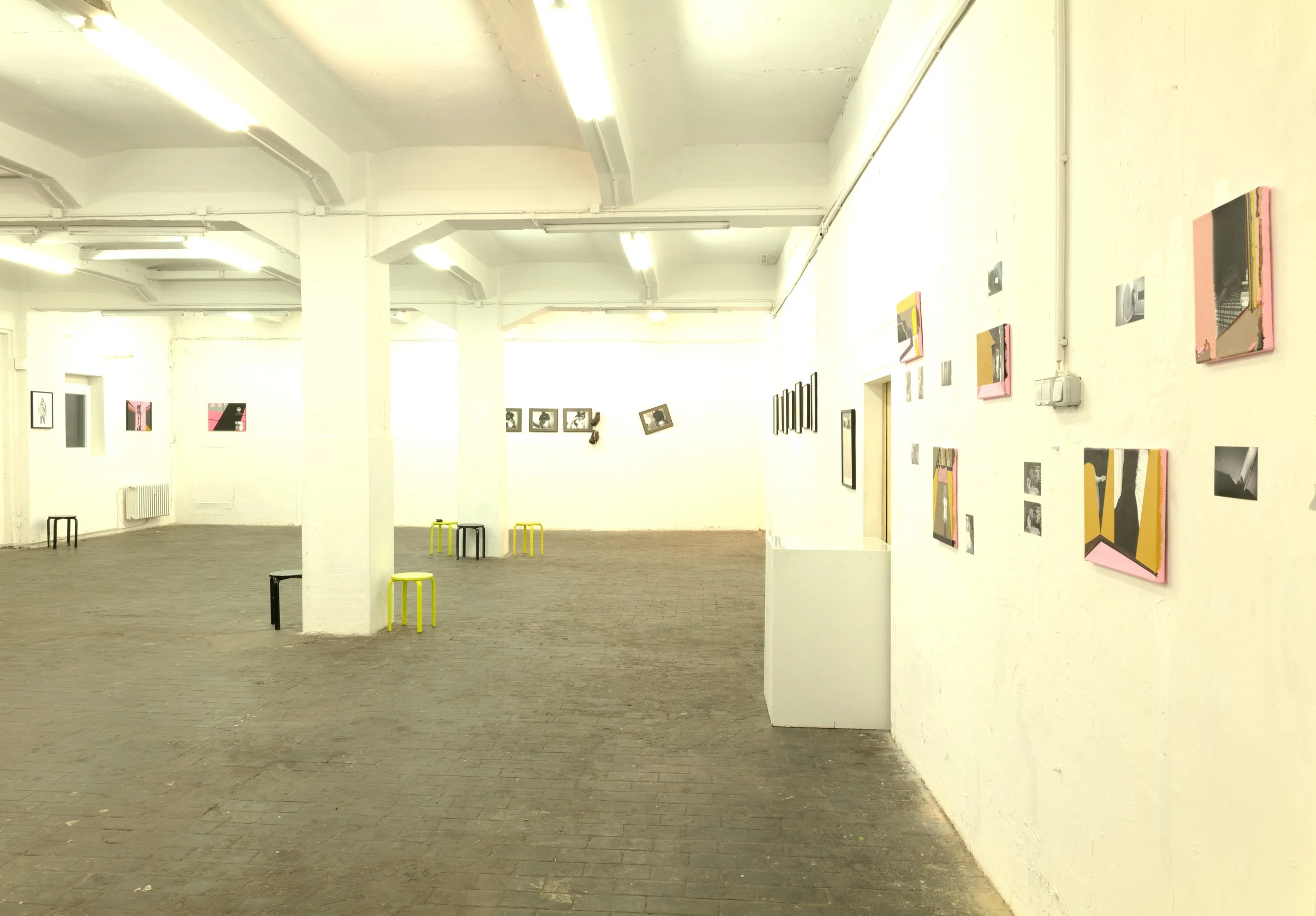
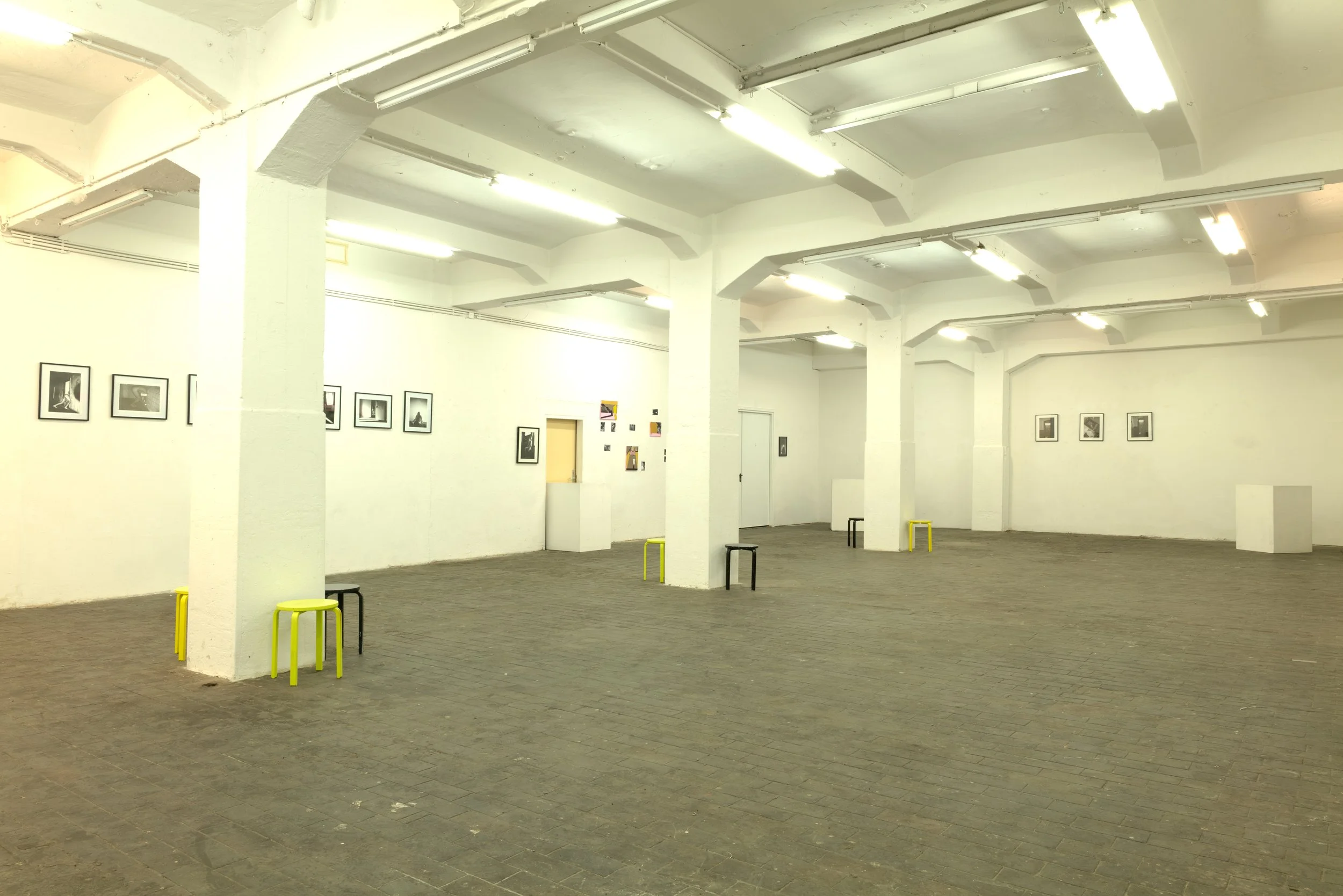
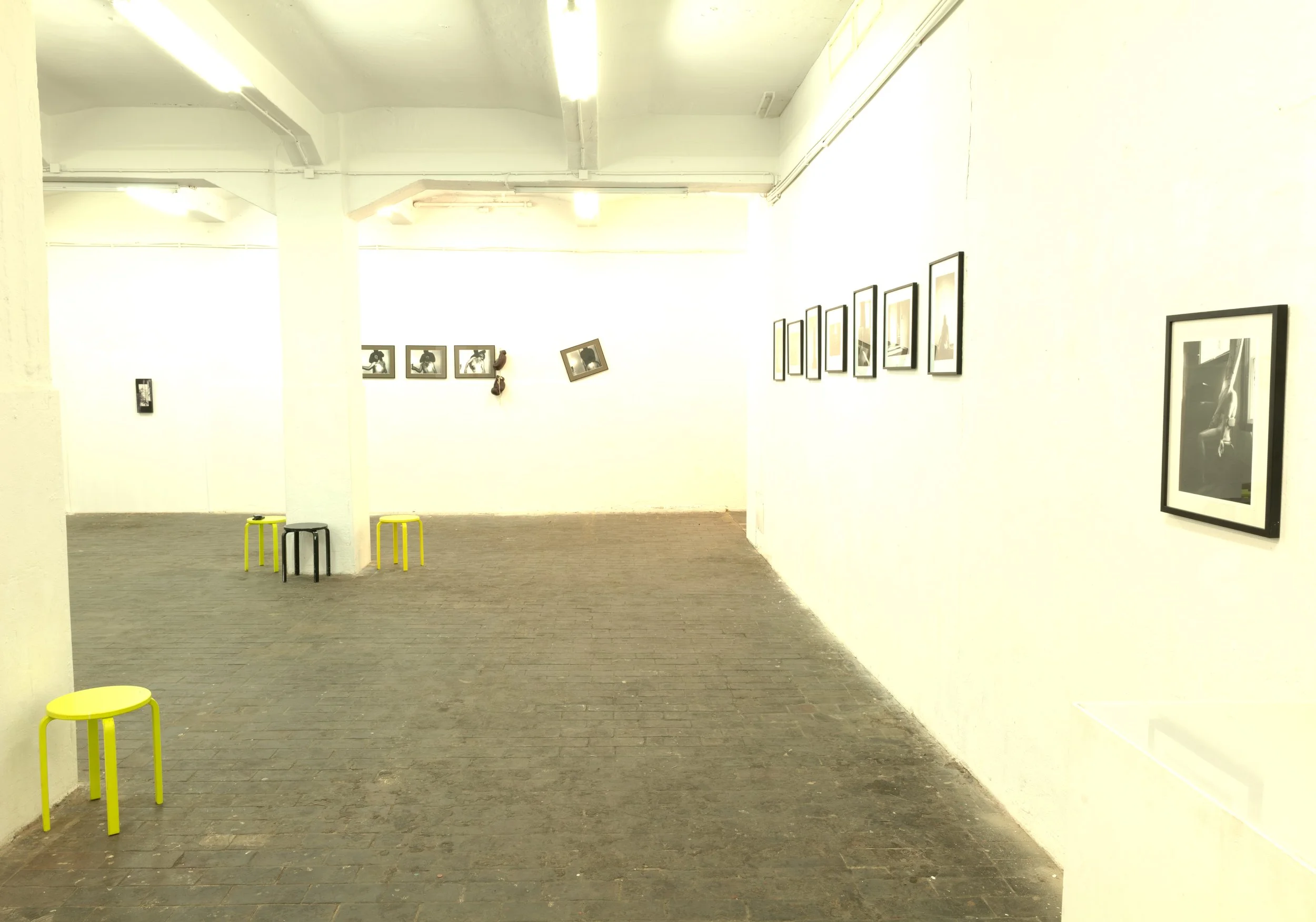
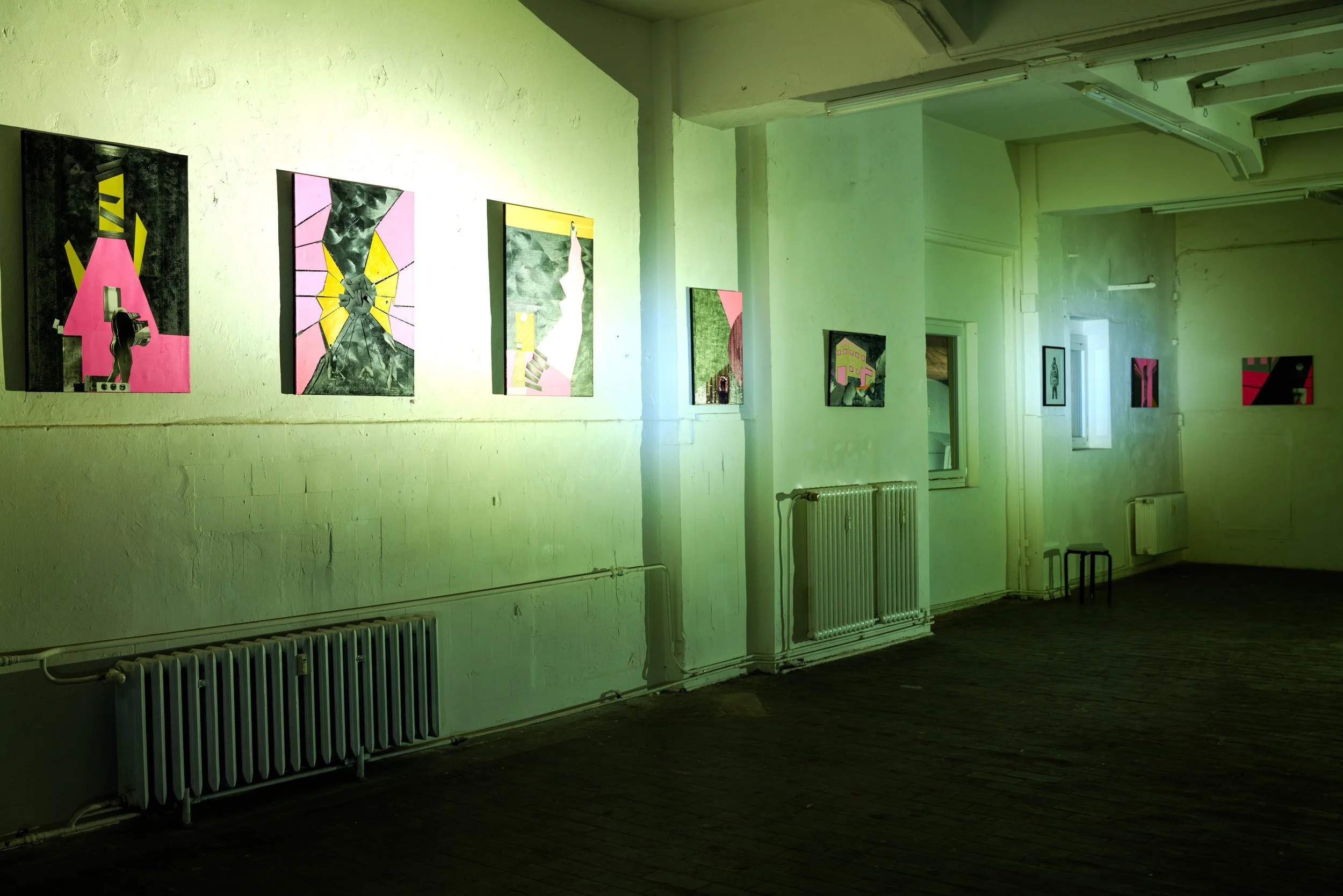
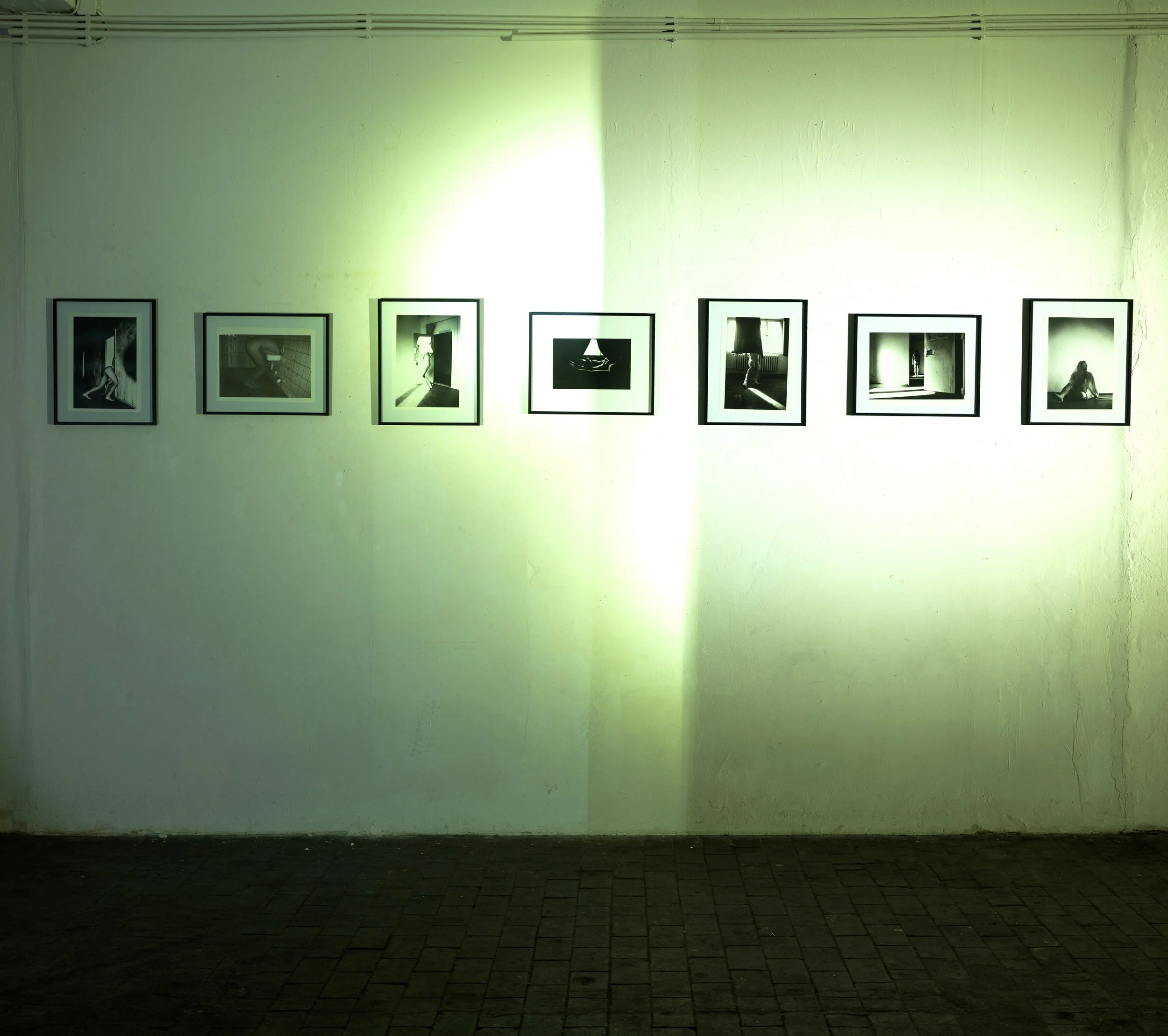
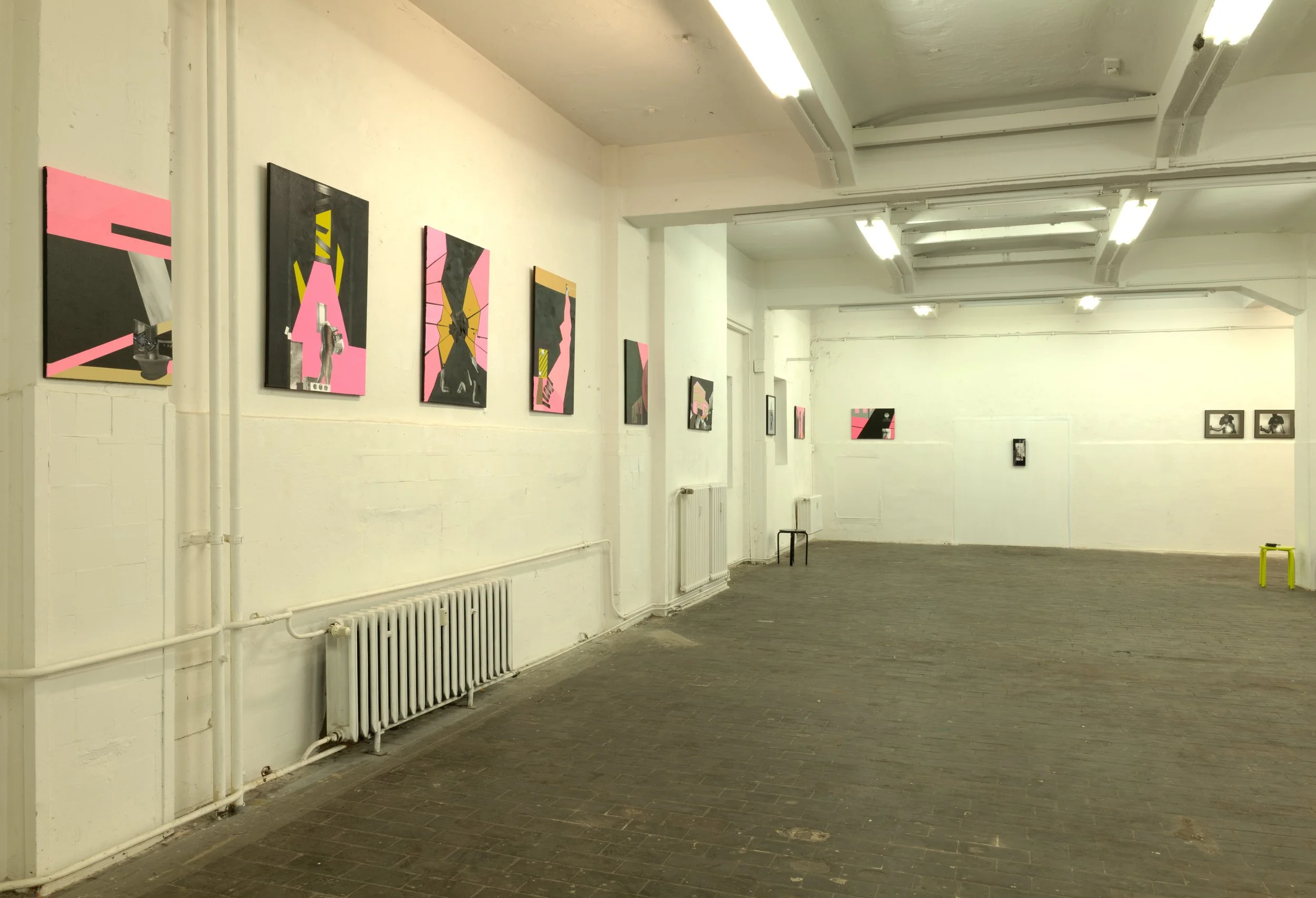
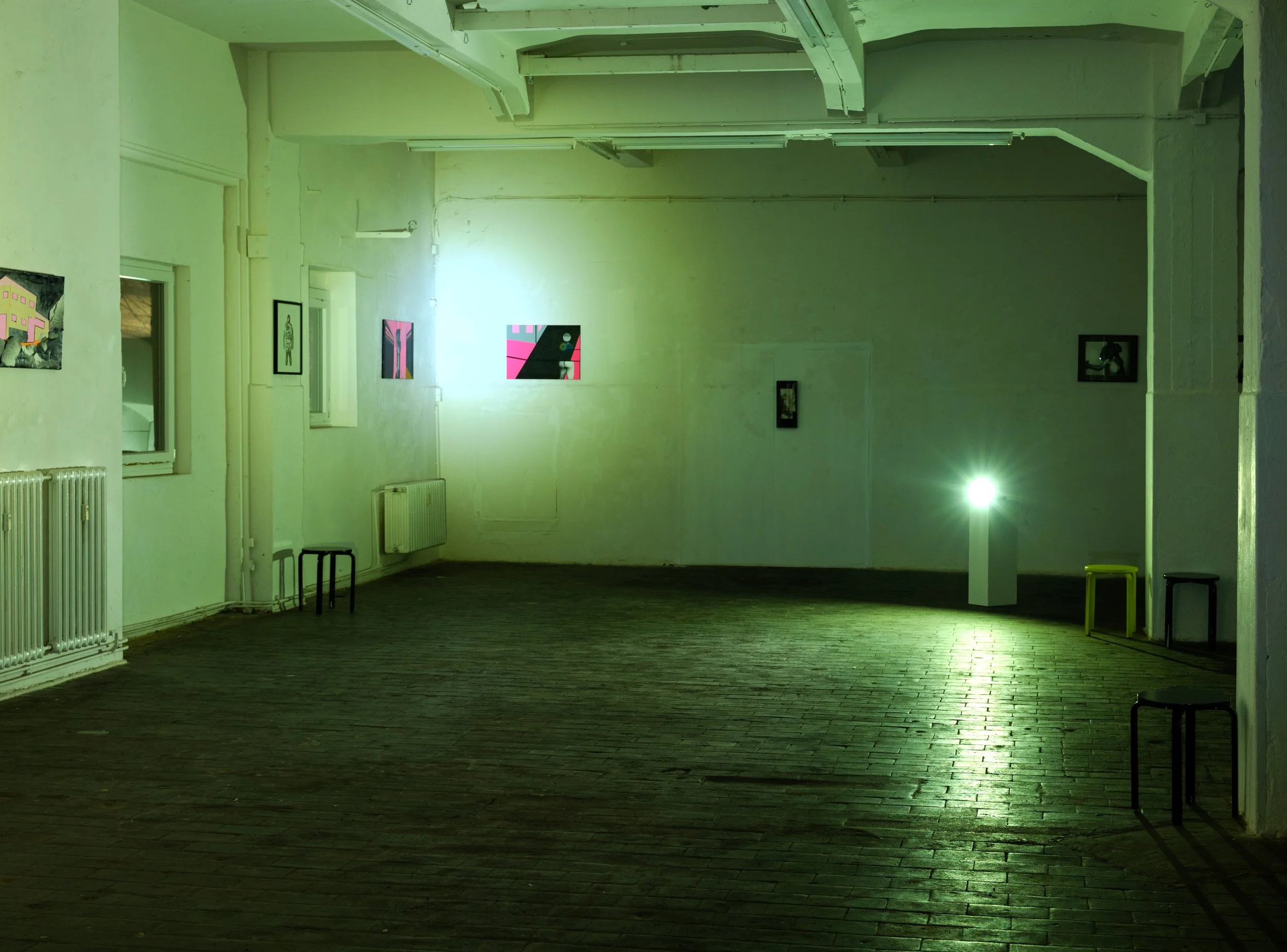
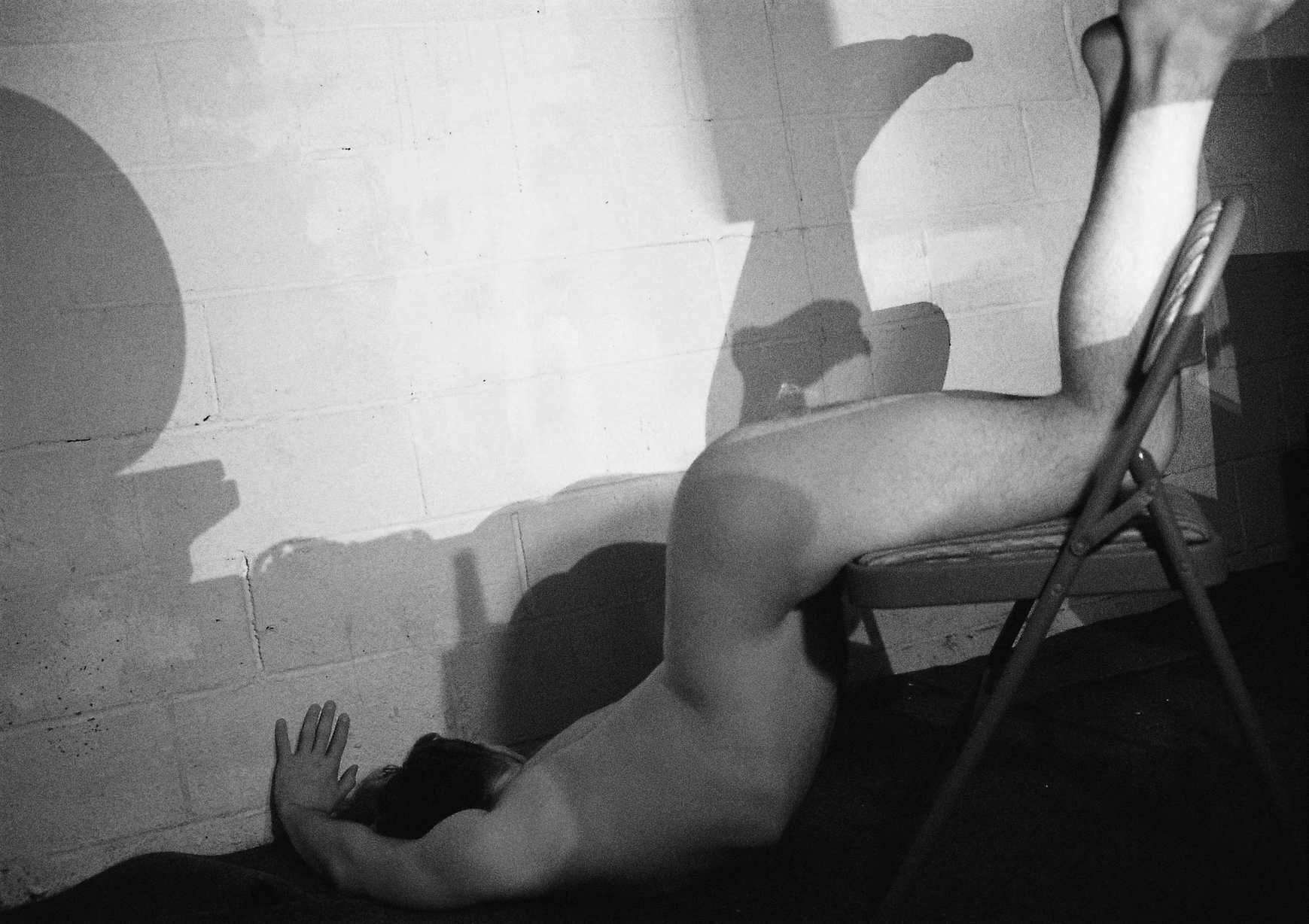
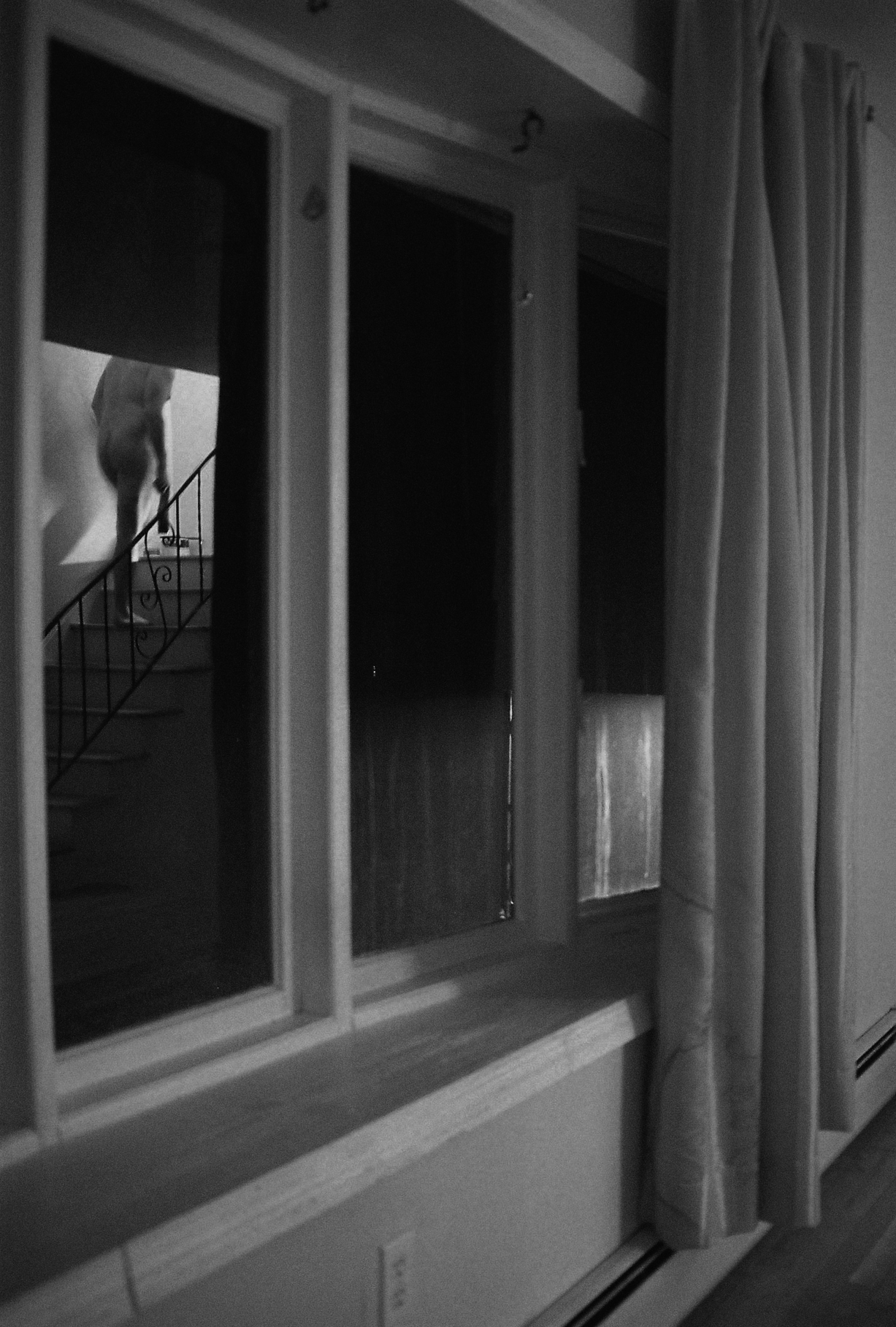
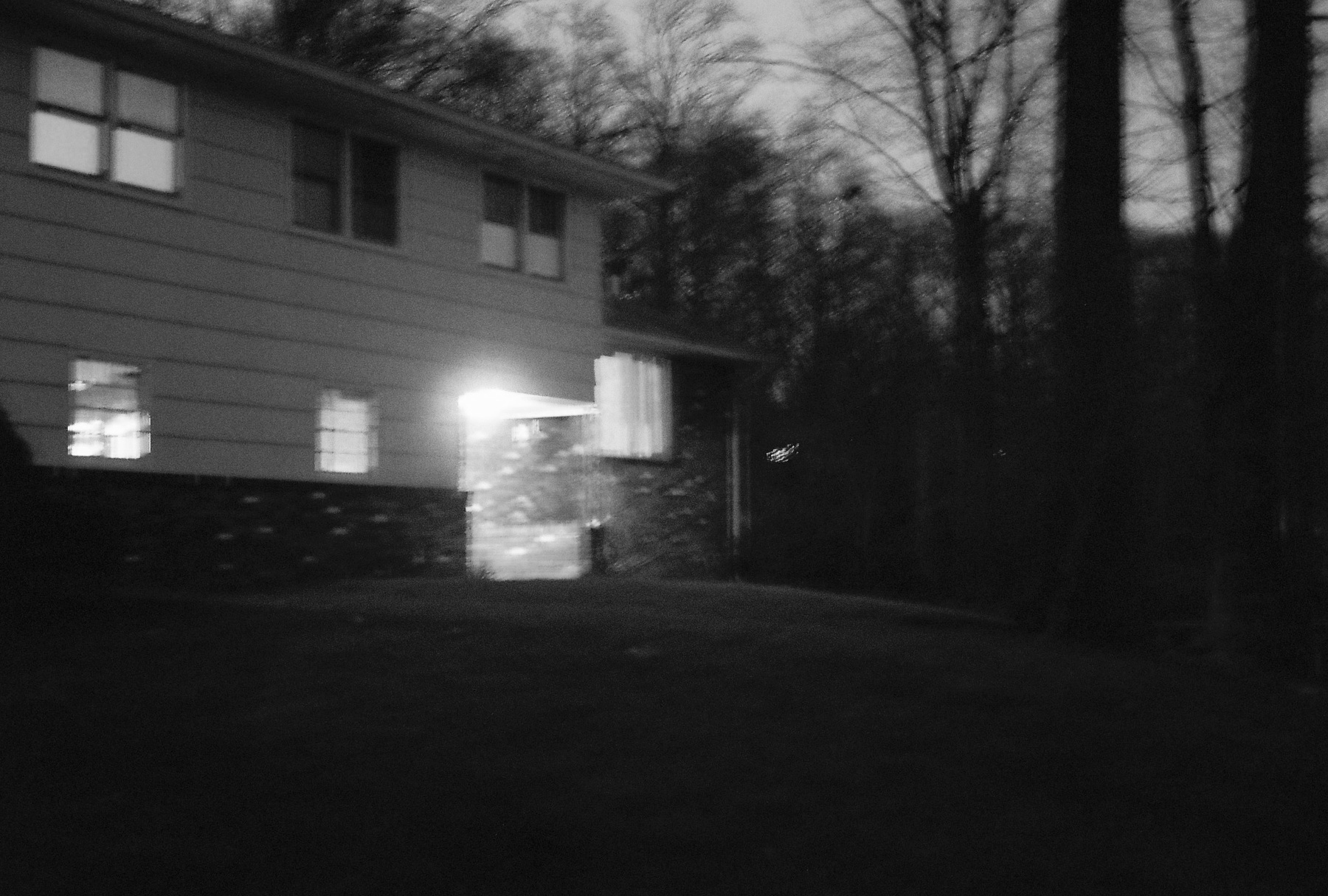
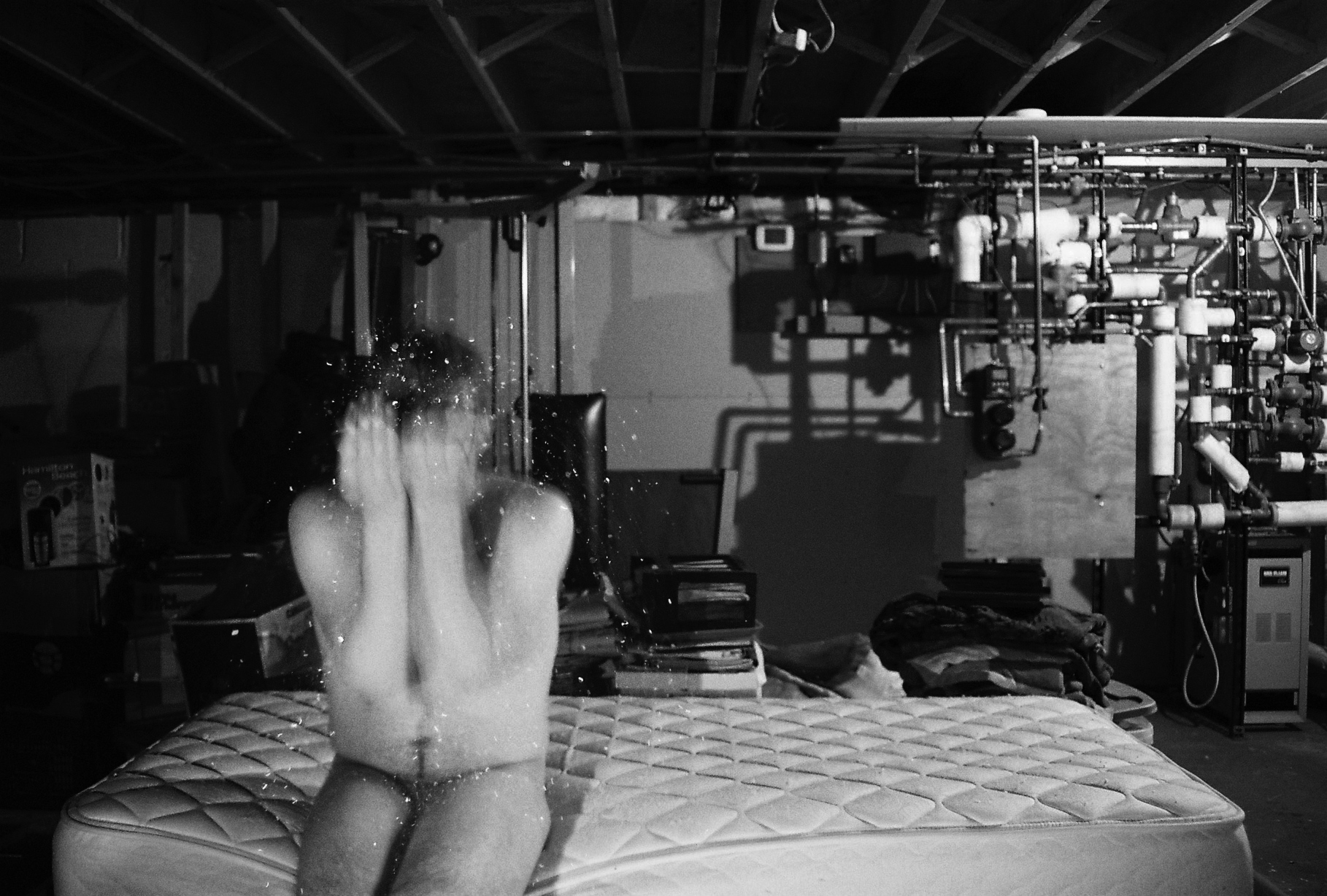
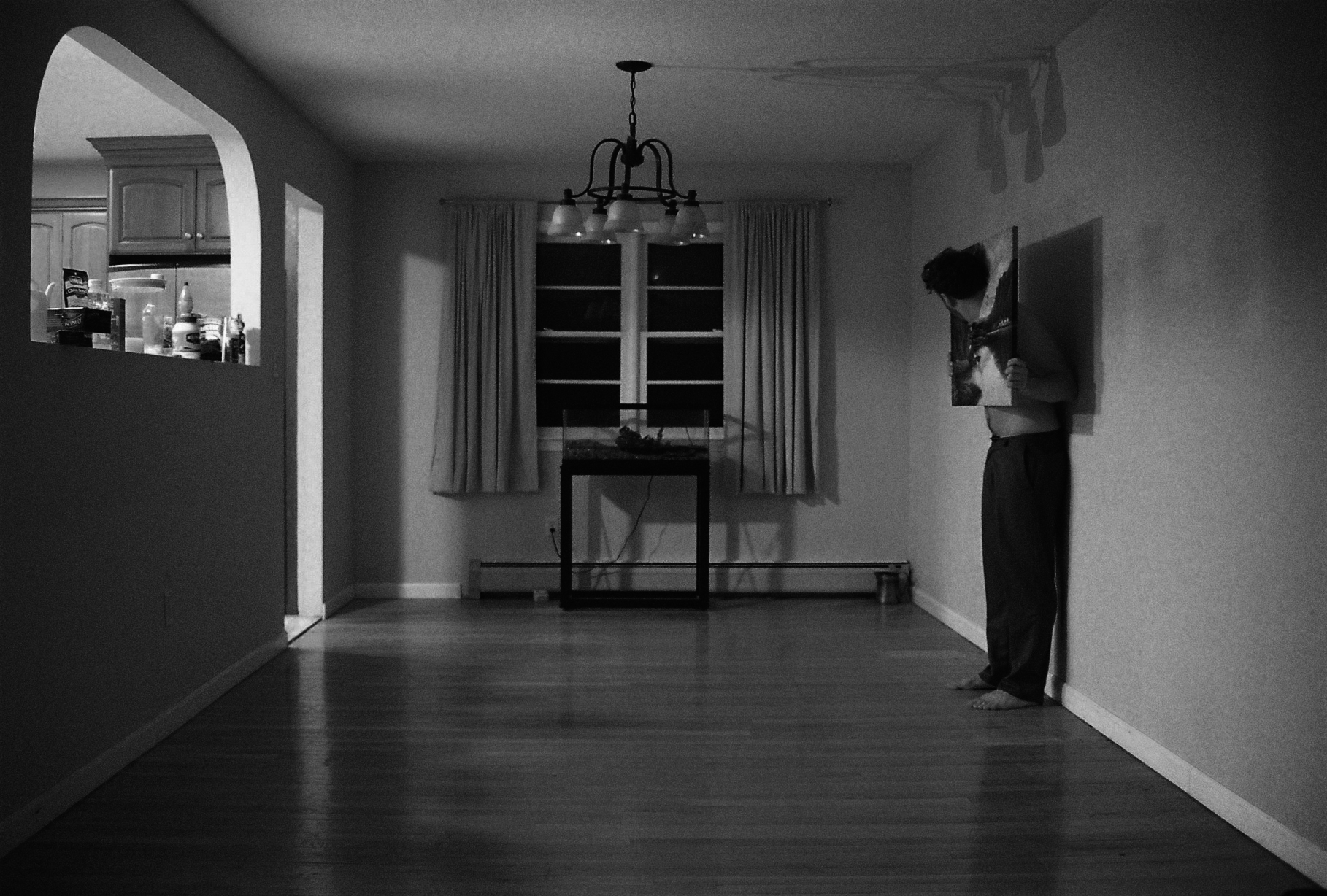
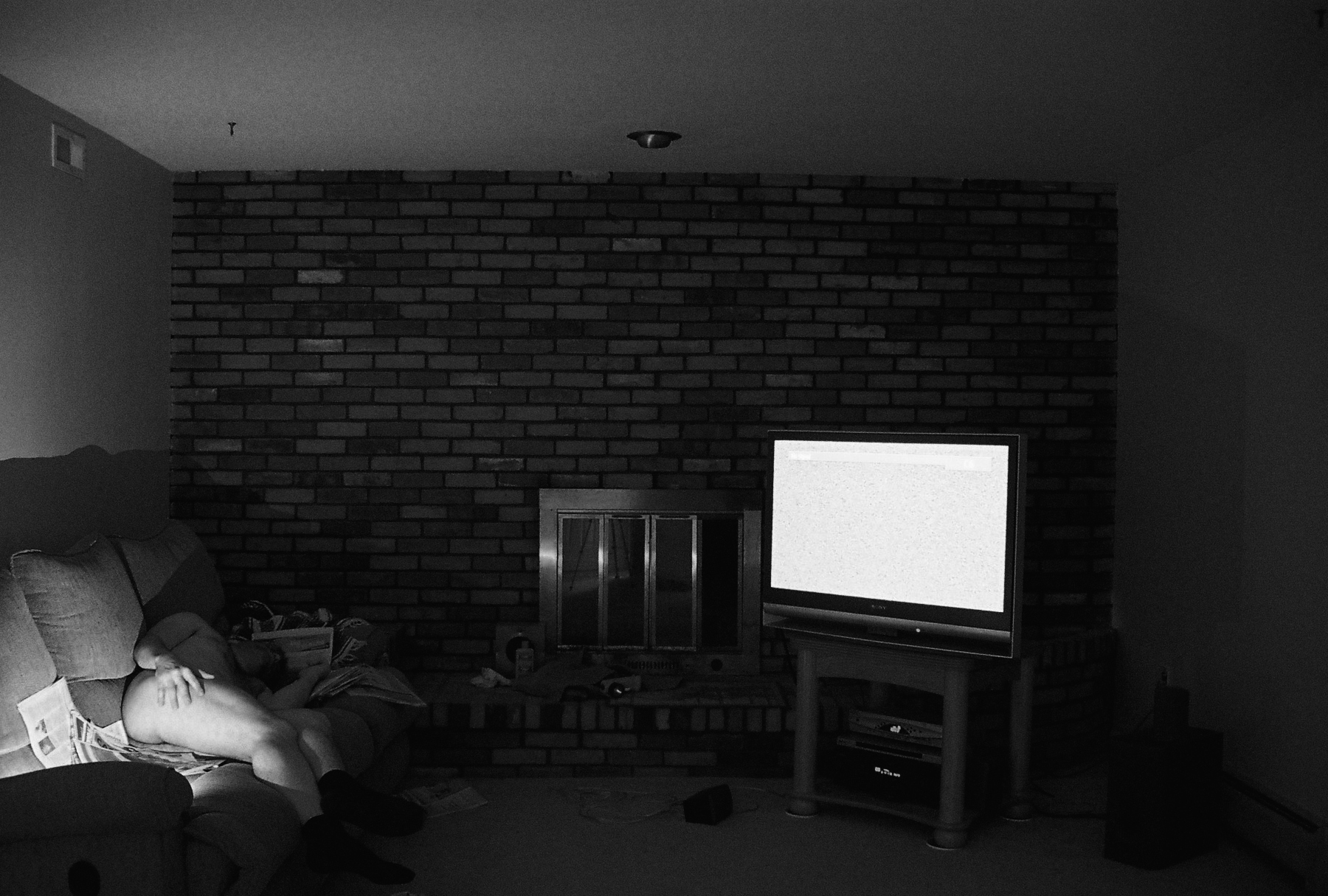
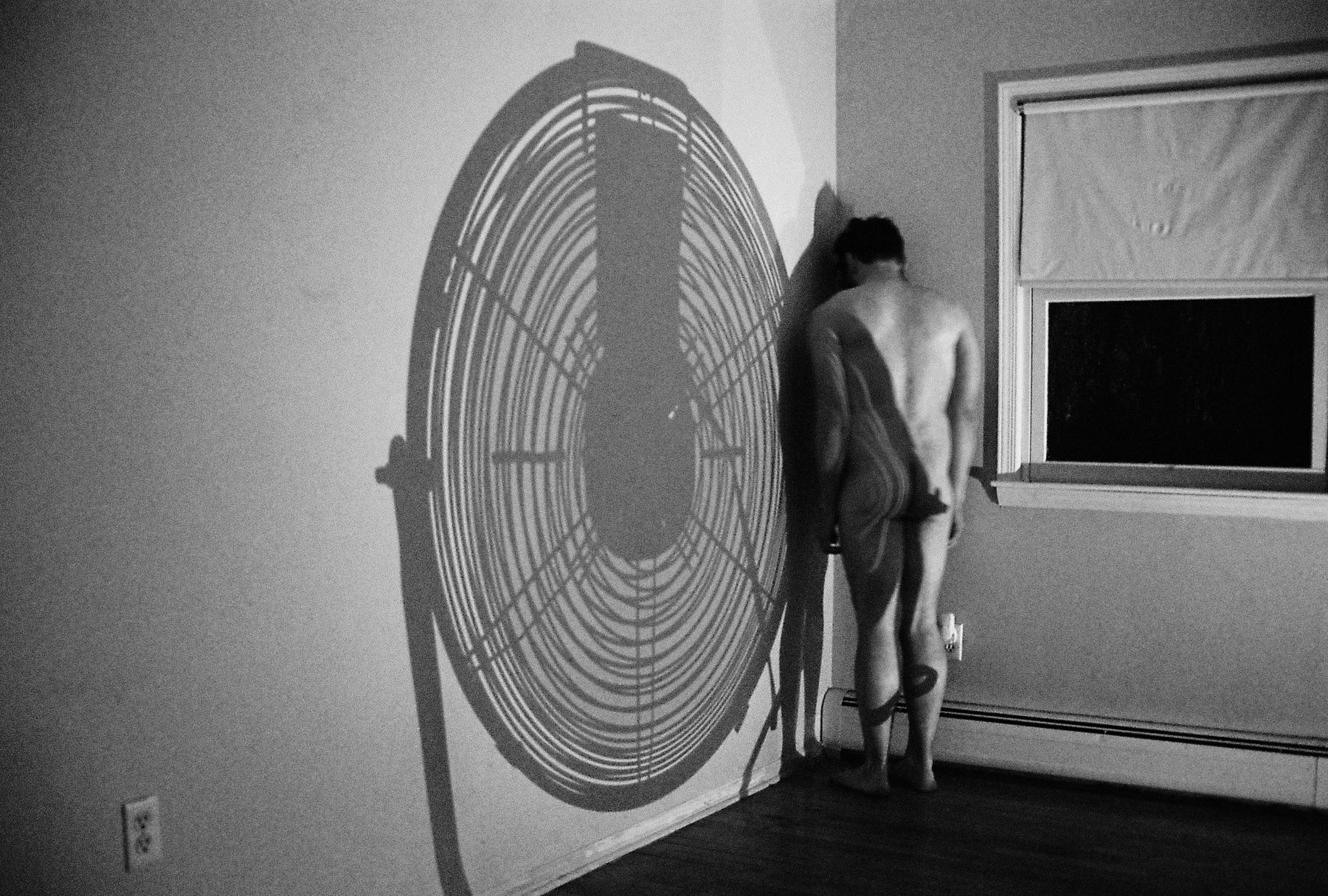
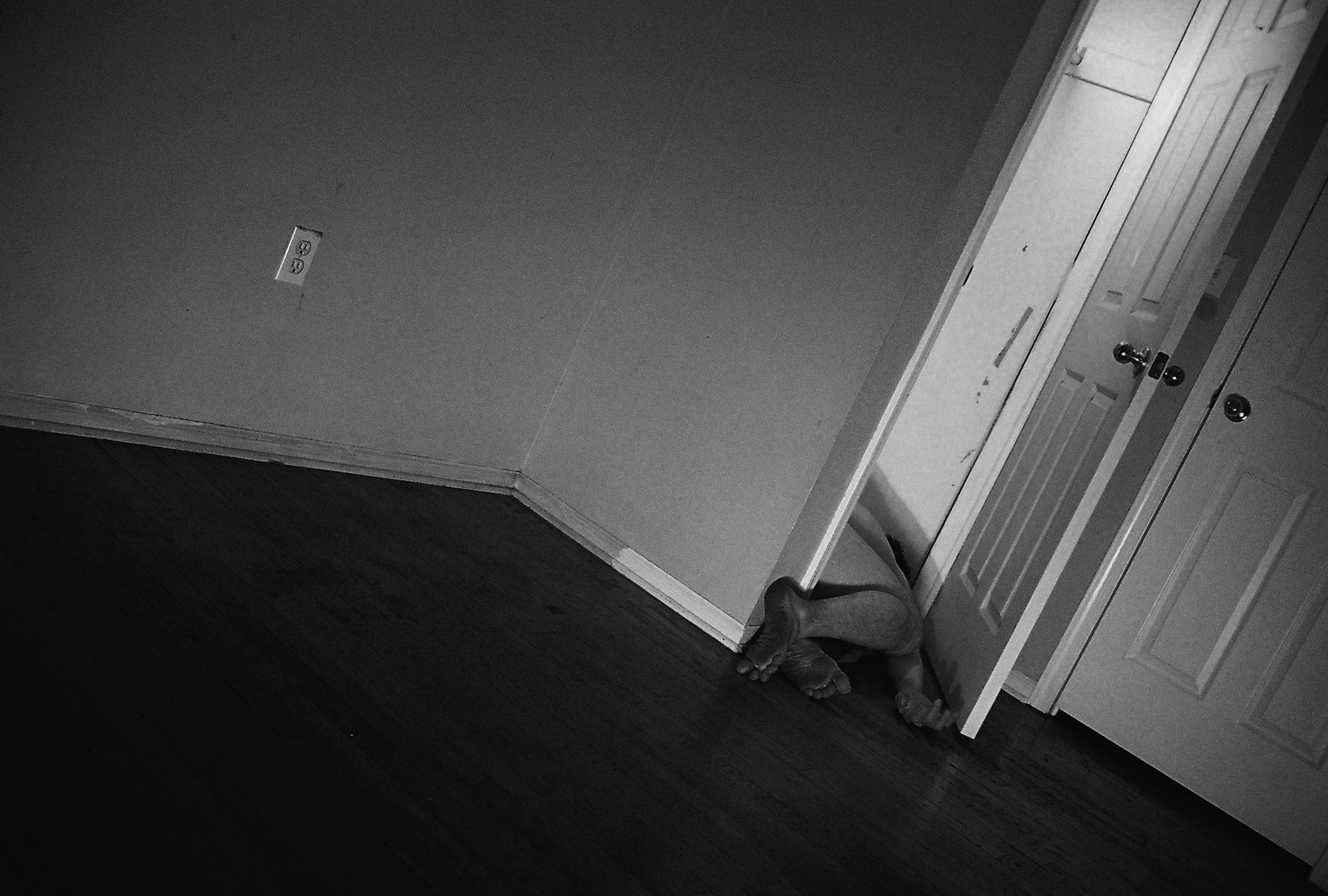
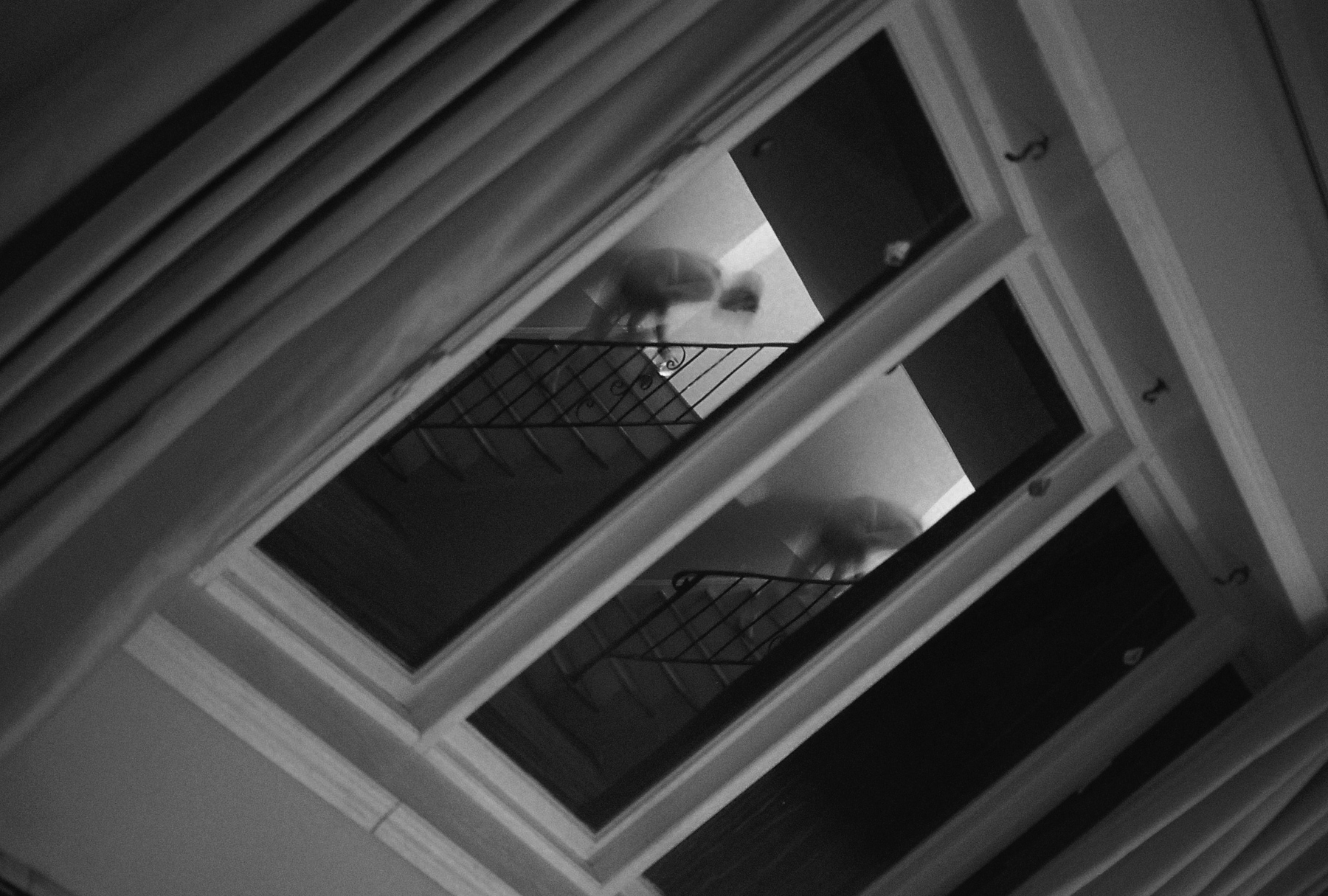
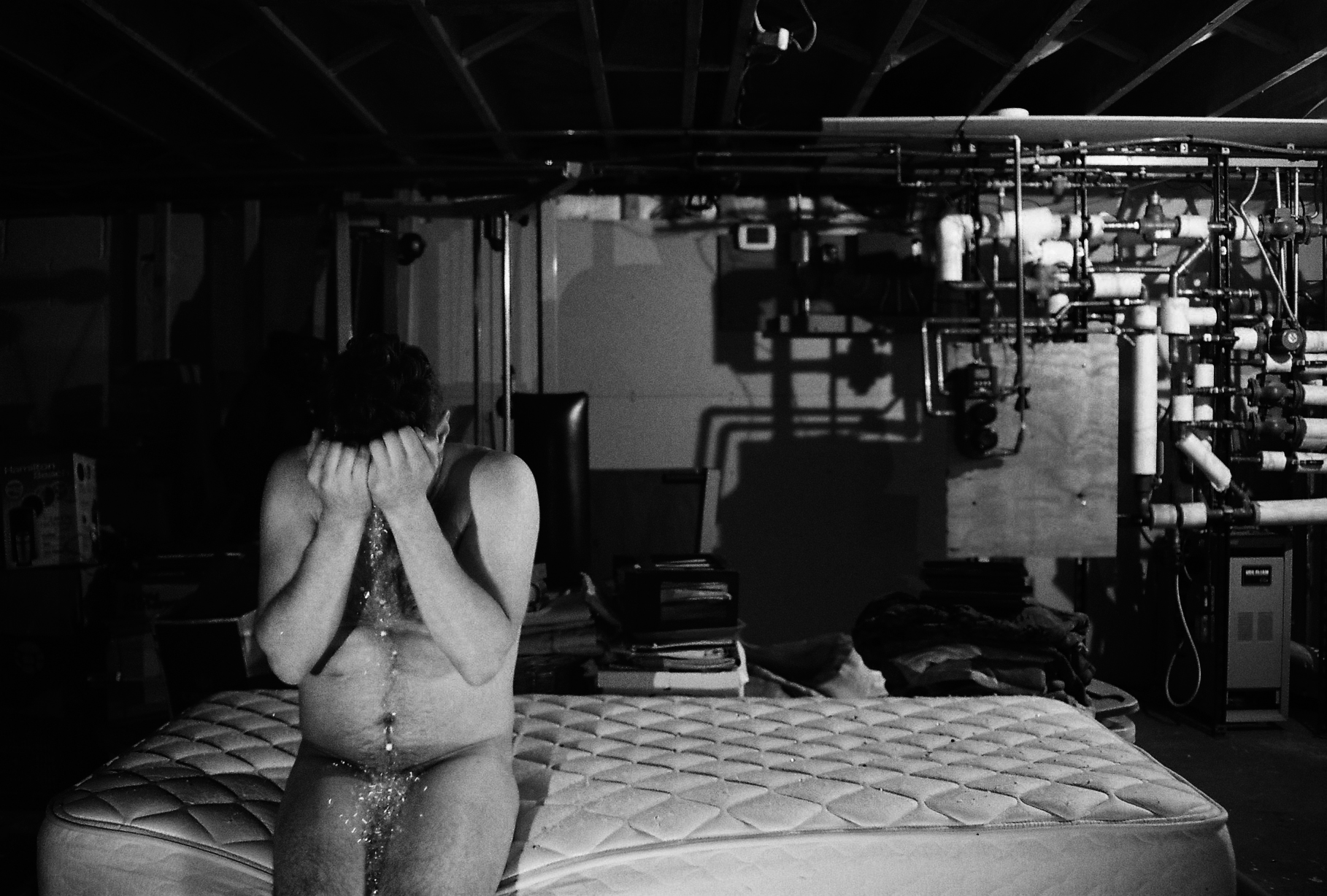
I WAS JUST SPARE PARTS evolves from this — from the space between decay and devotion, between what was lived and what refuses to die. Each photographic piece acts as a reconstruction, a pulse stitched from what’s been shed. These are not confessions but reliquaries — fragments that mourn and seduce in equal measure. The work hovers in thresholds, dances in doorframes, and listens for what still hums beneath the bedsheets.
Without regret,
Gregor